5
1 review
Cardiac MRI
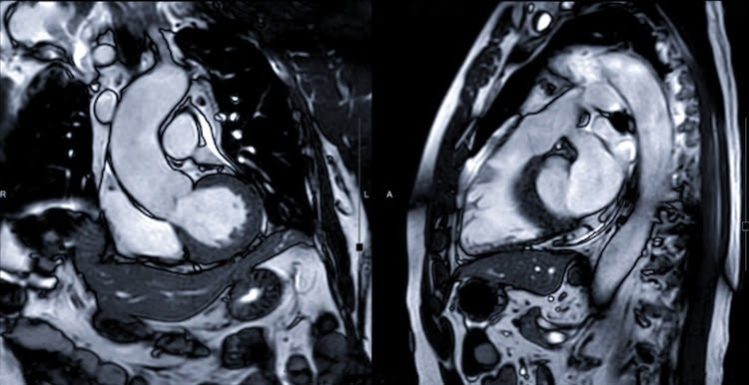
Cardiac MRI (Magnetic Resonance Imaging) is a cutting-edge diagnostic tool that provides ...
Instructor
Dr.Mohamed El-Sedafy
Category
- Description
- Curriculum
- Reviews
- Using a powerful magnetic field and radio waves, cardiac MRI generates high-resolution images of the heart in multiple planes and dimensions. This non-invasive imaging technique produces clear, detailed images of cardiac chambers, valves, muscle tissue, and blood vessels, enabling precise evaluation of cardiac anatomy and pathology.
- One of the key advantages of cardiac MRI is its ability to capture dynamic images of the heart in motion, allowing for accurate assessment of cardiac function, including ventricular volume, wall motion, and myocardial strain. Additionally, cardiac MRI provides valuable information about blood flow patterns, making it particularly useful in diagnosing conditions such as myocardial ischemia, congenital heart defects, and valvular heart disease.
- Cardiac MRI is also instrumental in assessing the extent of myocardial damage following a heart attack, as well as detecting areas of scar tissue and assessing myocardial viability. This information is critical for guiding treatment decisions and predicting patient outcomes.
- With its exceptional image quality, versatility, and lack of ionizing radiation, cardiac MRI is a safe and effective tool for patients of all ages, including those with pacemakers and implantable cardioverter-defibrillators (ICDs). Its non-invasive nature and ability to provide comprehensive cardiac assessment make it an invaluable asset in the field of cardiology, facilitating accurate diagnosis, risk stratification, and monitoring of patients with cardiovascular diseases.
- In summary, cardiac MRI is a state-of-the-art imaging modality that offers unparalleled insights into cardiac structure, function, and pathology. Its ability to provide detailed anatomical and functional information makes it an indispensable tool in the diagnosis, treatment, and management of a wide range of cardiovascular conditions, ultimately contributing to improved patient outcomes and quality of care.
Recommended for :
- Intensive care unit, intensive care, acute medicine, critical care
- Cardiac surgery, cardiothoracic surgery, thoracic surgery
- Cardiac surgeon, cardiothoracic surgeon
- Radiologist, interventional radiologist
- Anesthesia, cardiac anesthesia
- Neonatologist, pediatric cardiologist
- Internal medicine, general medicine
- Radiology, interventional radiology
- Cardiology, cardiovascular
- Cardiologist
- Intensivist
- Emergency medicine
- Emergency doctor
- Internist
- Anesthesiologist
Period of the course :
Until the candidate acquire the required skills.
Course materials
-
11Text lesson
Introduction of CMR and MRI Safety
-
22Text lesson
CMR Sequences and images and Planning.
-
33Text lesson
Important Applicable physics and How to Scan.
-
44Text lesson
Post-processing techniques and Training. (Hands on)
-
55Text lesson
Cardiomyopathies (Hands on)
- Ischemic cardiomyopathy
- Idiopathic dilated cardiomyopathy.
- Hypertrophic cardiomyopathy.
- Infiltrative Heart diseases.
- LVNC
- ARVC
- Other types of cardiomyopathies.
- Myocarditis
-
66Text lesson
Pericardial Diseases.
-
77Text lesson
Valvular Heart diseases.
-
88Text lesson
Cardiac Masses.
-
99Text lesson
Indications of CMR in congenital heart diseases.
- How to Scan pediatric patient.
-
1010Text lesson
Qp/Qs Calculation.
-
1111Text lesson
Post-operative CMR in congenital heart diseases.
Cardiac MRI
Category:
5
1 review
Course details
Duration
1 Months
Lectures
11
Video
72 hours
Level
Beginner
Certificate from Egyptian Medical Society of Echocardiography
Lecture duration: 6 hours
Popular courses
Working hours
| Monday | 09:00 - 17:00 am |
| Tuesday | 09:00 - 17:00 |
| Wednesday | 09:00 - 17:00 |
| Thursday | Closed |
| Friday | Closed |
| Saturday | 09:00 - 17:00 |
| Sunday | 09:00 - 17:00 |